International · est. 2027
Planetary Defence: We Have Now Moved an Asteroid
In 2022 a spacecraft hit a small asteroid hard enough to change its orbit. It was a test, it worked better than predicted, and it made deflection a real option rather than a thought experiment.
CivilisationInternational
RegionSpace
Period2026 CE to 2050 CE (estimated)
Published31 July 2026
Advertisement
Check the dates. Survey completion and follow up mission timelines move with funding. Treat the years here as intent.
Every other natural disaster is something to survive. An asteroid impact is the only one that could, in principle, be prevented outright, given enough warning.
In September 2022 that stopped being theoretical. NASA's DART spacecraft struck Dimorphos, a small moon orbiting the asteroid Didymos, at roughly six kilometres per second. The goal was to shorten Dimorphos's orbit around Didymos by at least 73 seconds. It shortened it by about 32 minutes.
Why It Worked So Much Better Than Expected
A spacecraft hitting a rock transfers its own momentum. But the impact also blasts debris off the surface, and that debris flies away in the opposite direction, pushing back on the asteroid like a brief rocket exhaust.
That recoil did most of the work. Dimorphos turned out to be a rubble pile, a loose aggregation held together weakly by its own gravity rather than a solid body, so a great deal of material was thrown clear.
This is encouraging and complicating at once. Encouraging because the effect multiplies your spacecraft's punch several times over. Complicating because the multiplier depends heavily on what the asteroid is made of and how it is put together, and you cannot know that reliably from a telescope.
Finding Them First
Deflection is useless without warning, and warning means finding the object years ahead.
Surveys have catalogued the large majority of near Earth asteroids larger than a kilometre, the size that causes global effects. None of the known ones threaten Earth in the foreseeable future.
The gap is the middle range, objects between roughly 50 and 300 metres. Too small to end civilisation, easily large enough to destroy a city or generate a serious tsunami, and far more numerous. Most have not been found.
Detection is hardest for objects approaching from the direction of the Sun, which are lost in glare from ground telescopes. That is what happened at Chelyabinsk in 2013: a roughly 20 metre object arrived unseen and injured around 1,500 people, mostly from glass blown in by the shockwave. Infrared space telescopes positioned to look at the inner solar system are the answer, because asteroids are bright in infrared even when dark in visible light.
The Options If Something Is Found
Kinetic impact. Hit it, as DART did. Best with years of warning, since a small velocity change accumulates into a large miss distance over time.
Gravity tractor. Park a heavy spacecraft alongside and let mutual gravity tug it gradually. Very slow, very controllable, and it does not care what the asteroid is made of.
Ion beam or laser ablation. Vaporise surface material continuously to create thrust. Untested at scale.
Nuclear. A standoff detonation to ablate one side and push the object. The option of last resort for a large object with short warning, and legally and politically fraught.
The pattern is consistent: the more warning, the gentler and more reliable the method.
What Comes Next
ESA's Hera mission is going back to Dimorphos to survey the crater and measure the asteroid's mass and structure precisely. Without that, the efficiency of the DART strike can only be estimated. With it, the deflection can be turned into a calibrated model that would apply to a real threat.
The remaining work is unglamorous: complete the survey of the mid size population, keep the models honest, and maintain the international arrangements for who decides and who acts. The technical question has largely been answered. The rest is organisation and attention.
Advertisement
Timeline Placement
2026 CE – 2050 CE
Near Future Era · International · Space
ScienceTechnologyExploration
Continue: International: A Complete Journey
Related Articles
Near FutureMission
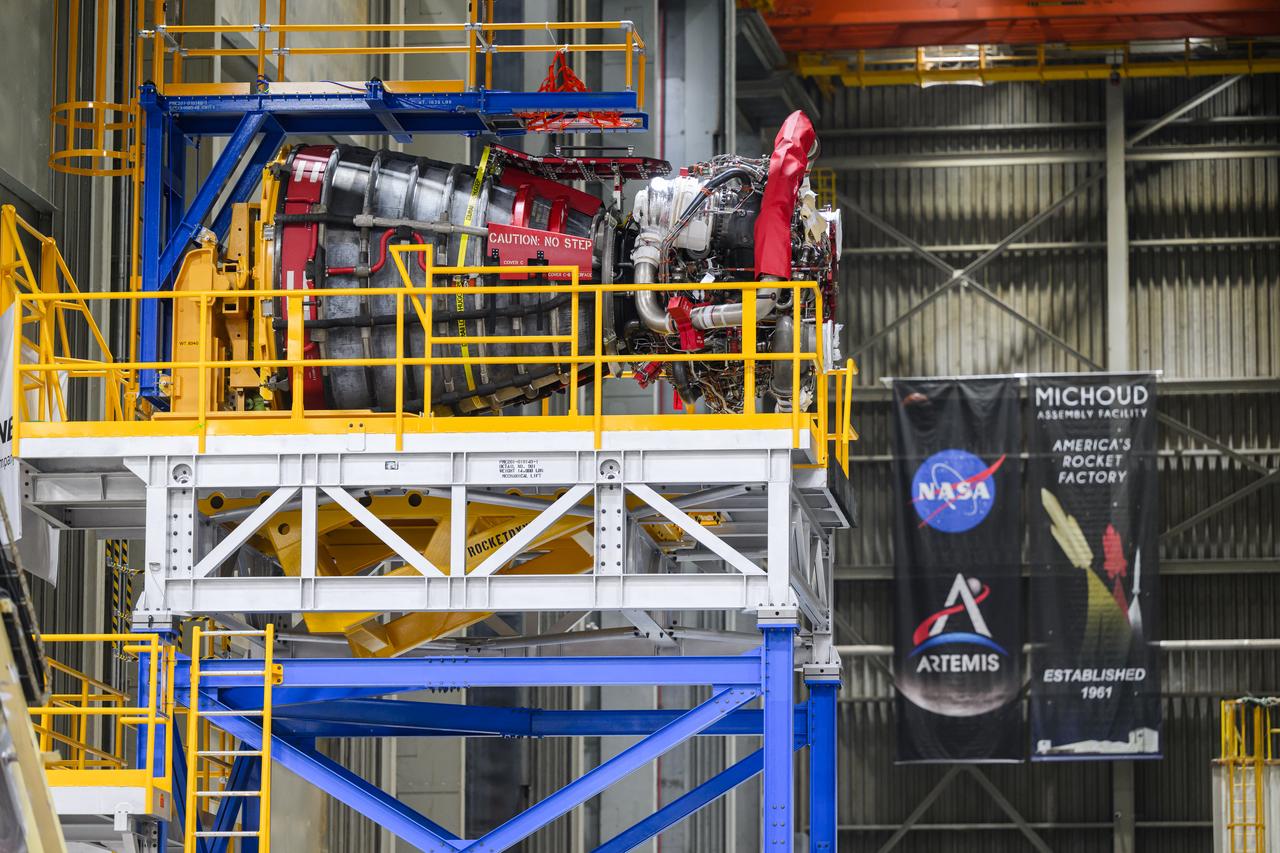
Artemis: The Plan to Return to the Moon
NASA's programme to put crews back on the lunar surface, this time near the south pole and this time to stay. Dates ar…
3 min
Near FutureMission
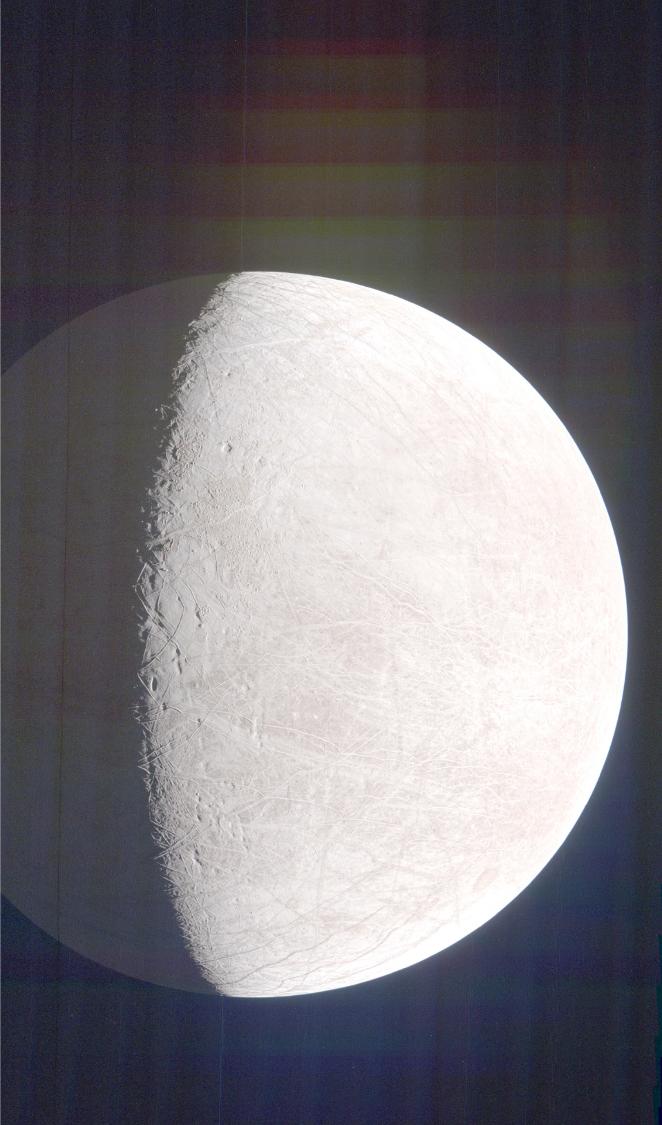
Europa Clipper and the Case for Oceans Under Ice
Jupiter's moon Europa probably holds more liquid water than every ocean on Earth combined, beneath a shell of ice. A s…
4 min
Near FutureMission
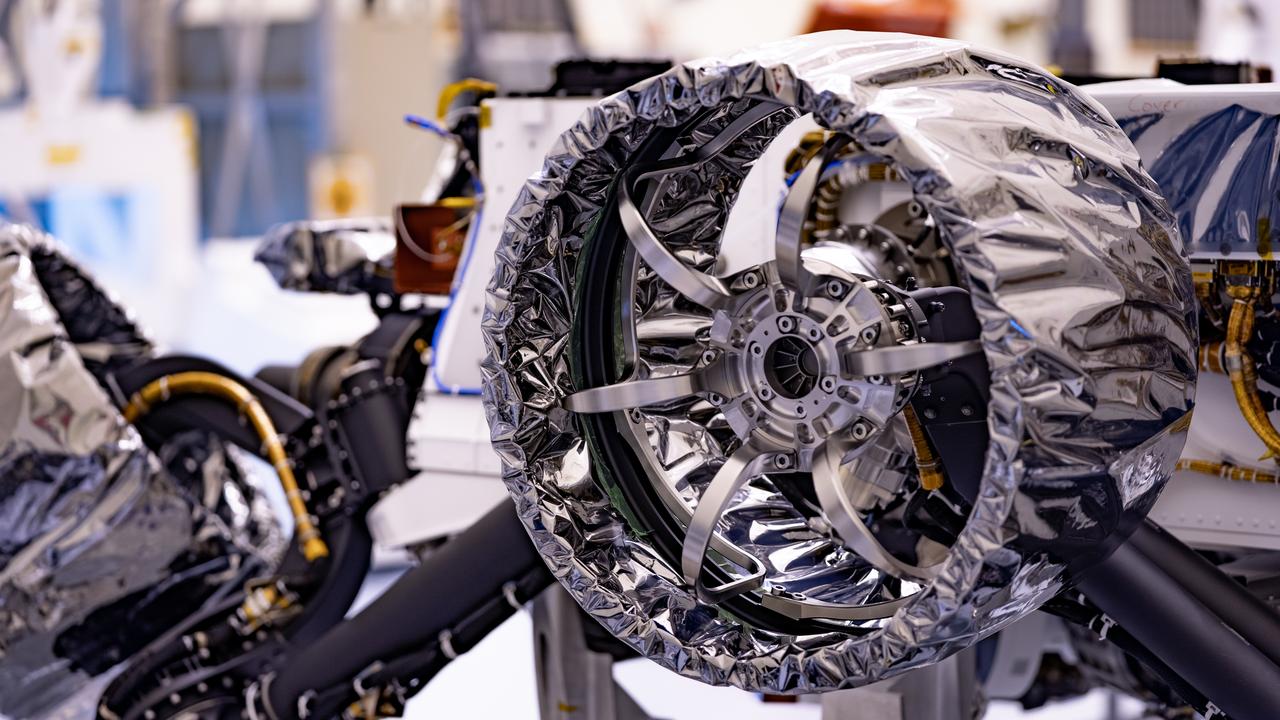
Mars Sample Return: The Hardest Delivery Ever Attempted
Rock cores are already sealed and waiting in Jezero Crater. Getting them to a laboratory on Earth requires a launch fr…
3 min
Recommended Reading
Space AgeOverview
Apollo: How Twelve People Walked on the Moon
The programme that took human beings to another world in under a decade, what it actually required, and why nobody wen…
4 min
📡
ContemporaryBriefing
Ancient DNA Is Rewriting Prehistory Faster Than Textbooks Can Follow
Genomes recovered from bone are settling arguments archaeology could not settle, and starting several new ones. An ong…
3 min
Further Reading
As an affiliate, we earn from qualifying purchases. These recommendations are independently selected.
Advertisement