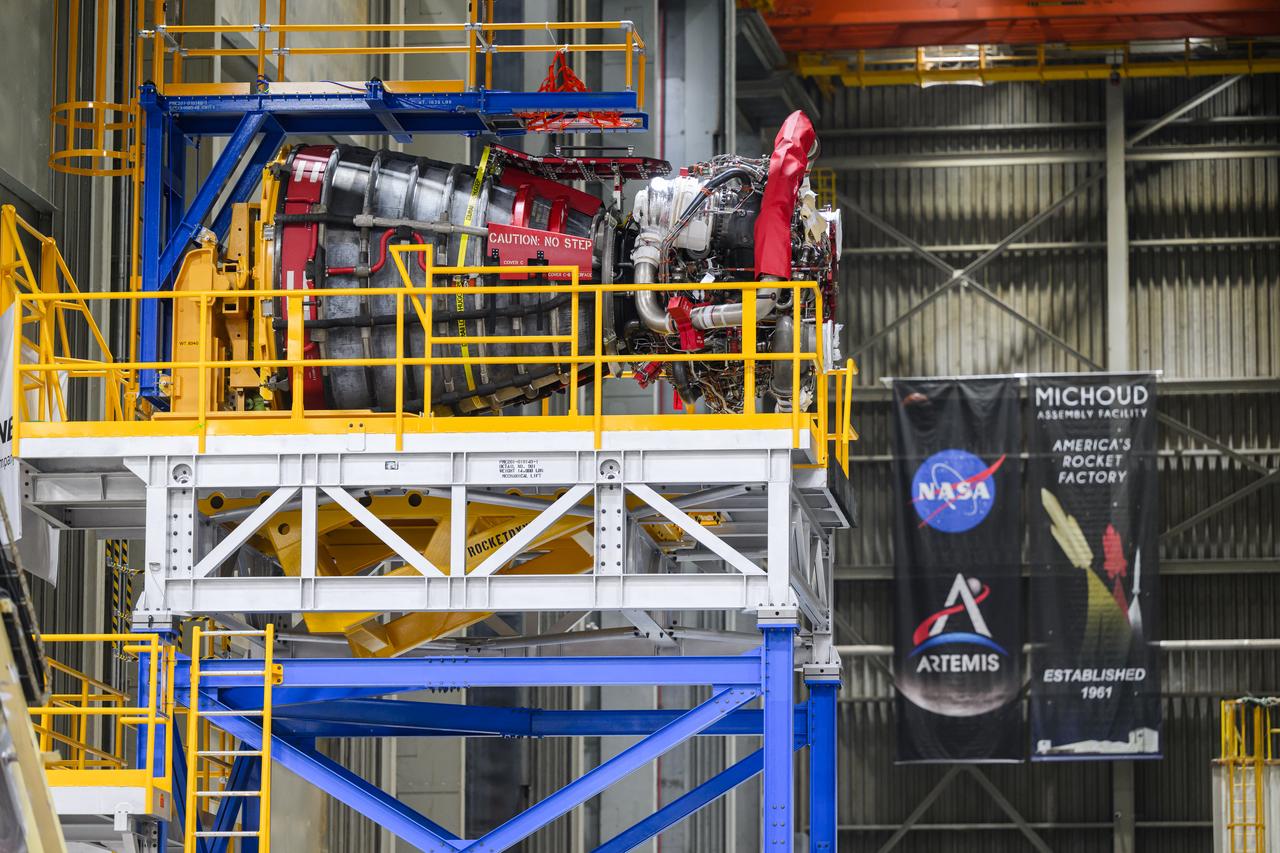
Near FutureMission
Artemis: The Plan to Return to the Moon
NASA's programme to put crews back on the lunar surface, this time near the south pole and this time to stay. Dates ar…
3 min
The programme that took human beings to another world in under a decade, what it actually required, and why nobody went back for fifty years.
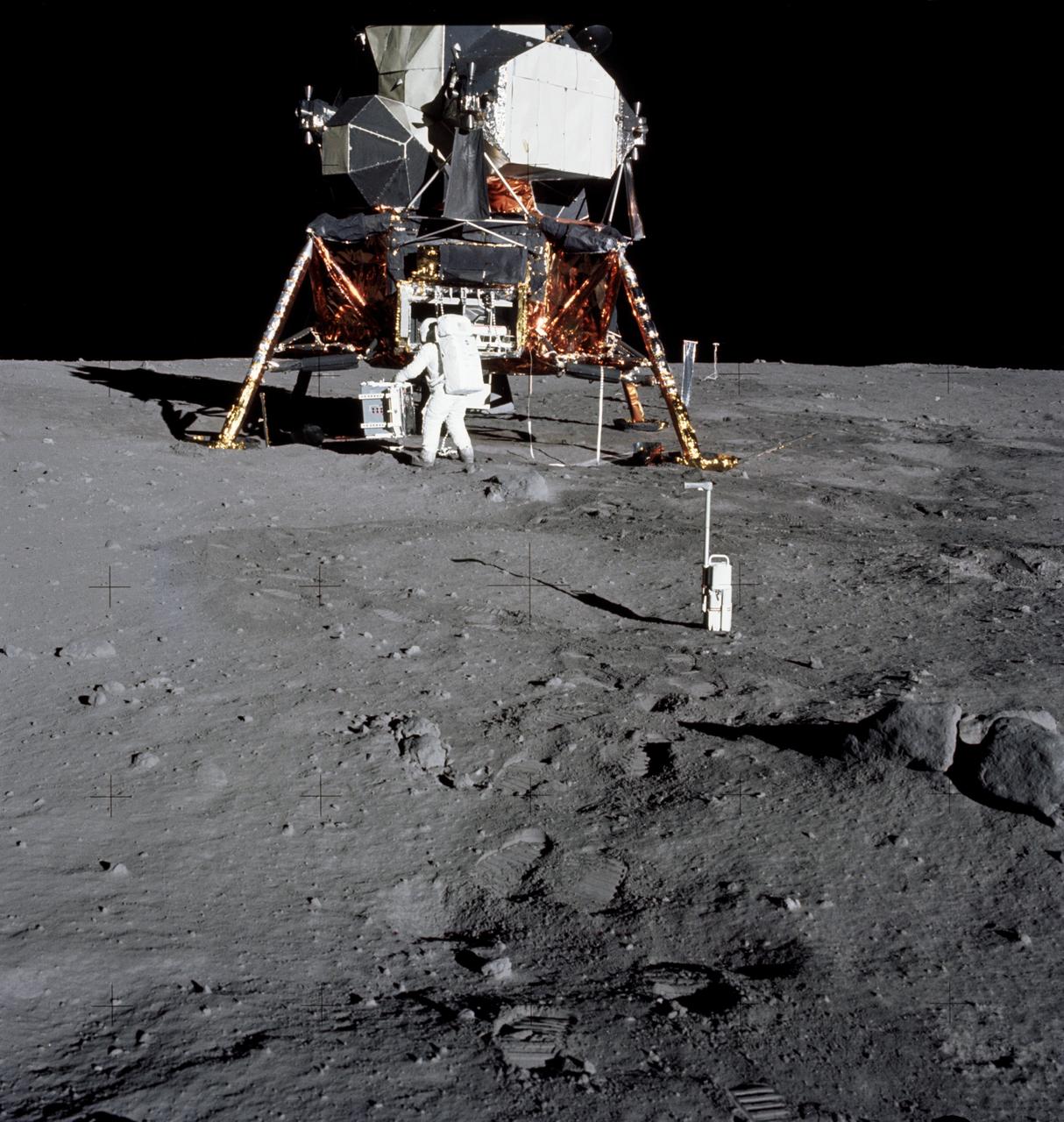
In May 1961, President Kennedy asked the United States Congress to commit to landing a man on the Moon and returning him safely before the decade was out. At the time, the total American experience of human spaceflight amounted to a single fifteen minute suborbital hop. Nobody had orbited. Nobody knew whether lunar soil would support a lander's weight.
Eight years and two months later, Apollo 11 touched down in the Sea of Tranquility.
The engineering problem was not one problem but several, each unsolved.
A rocket had to be built that was far larger than anything flown before. The Saturn V stood 110 metres tall and remains the most powerful launch vehicle ever brought into regular service. Its first stage burned around 2,000 tonnes of propellant in about two and a half minutes.
A method had to be chosen. The winning approach, lunar orbit rendezvous, required two spacecraft to separate in orbit around the Moon, one to descend and the other to wait, and then find each other again a quarter of a million miles from home. It was the riskiest of the options considered and also the lightest, which is why it won.
Guidance computers had to be invented. The Apollo Guidance Computer had roughly 72 kilobytes of read only memory. Its software was woven by hand into core rope memory, a process so literal that the women who did the weaving were said to be knitting the programme into existence.
Apollo 11 landed on 20 July 1969. Neil Armstrong took manual control in the final minutes because the automatic system was steering toward a boulder field. He set down with less than thirty seconds of fuel remaining in the descent stage.
Five more crews followed. Apollo 12 landed within walking distance of a probe that had been sitting on the surface for two years, proving the navigation was precise enough to be useful. Apollo 13 never landed at all, and its safe return after an oxygen tank ruptured is the programme's most studied success. Apollo 15, 16 and 17 carried a rover, which extended the range of a crew from a few hundred metres to several kilometres.
Apollo 17 left the surface in December 1972. Twelve people had walked on the Moon. They brought back roughly 382 kilograms of rock and soil, samples that are still being analysed with instruments that did not exist when they were collected.
The programme ended because the reason for it ended. Apollo was funded as a demonstration of national capability during the Cold War, and once the demonstration was complete the budget fell away. NASA's funding peaked at more than four percent of the federal budget in the mid 1960s and dropped below one percent within a decade. Three further landings, already partly paid for, were cancelled.
The hardware was retired, the production lines closed, and the specific institutional knowledge of how to build and fly a Saturn V dispersed into retirement. Recovering that capability has taken longer than creating it did.
The scientific return was real. Lunar samples established that the Moon formed from debris thrown off the Earth by a giant impact, which reshaped how planetary formation is understood generally.
The engineering return was broader. Integrated circuits, then a new and expensive technology, found their first large scale customer in Apollo. The discipline of systems engineering, managing hundreds of thousands of interdependent parts and people, was substantially developed to make the programme work, and has been applied to nearly every large technical project since.
Apollo is the reference point every later plan is measured against, including the one currently being assembled to go back.
NASA's programme to put crews back on the lunar surface, this time near the south pole and this time to stay. Dates ar…
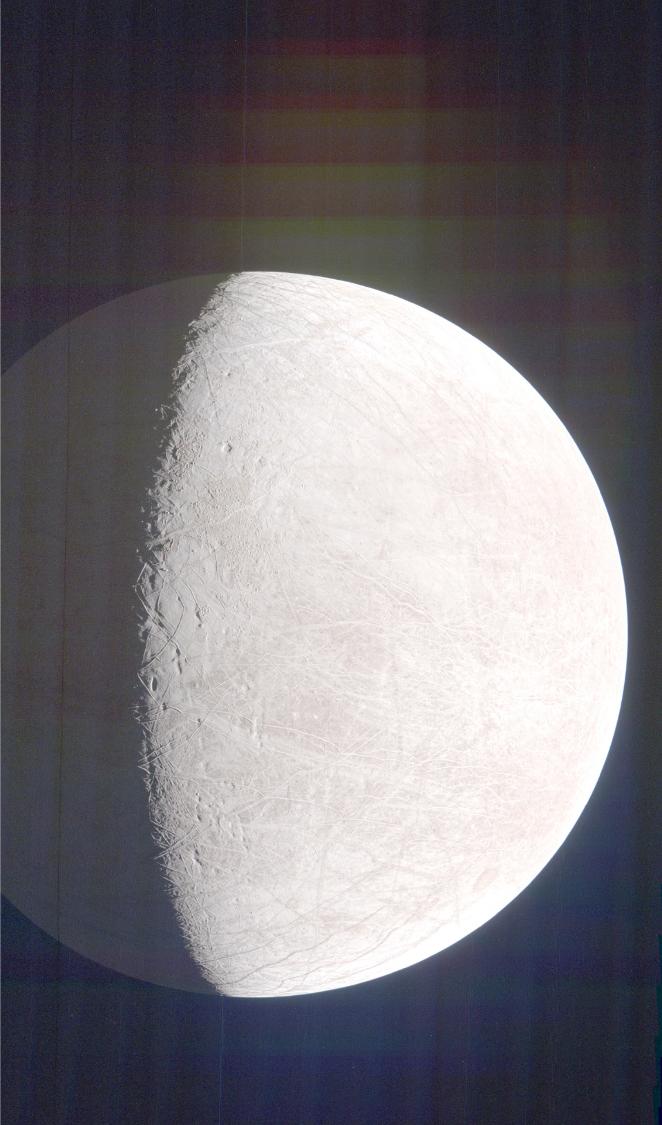
Jupiter's moon Europa probably holds more liquid water than every ocean on Earth combined, beneath a shell of ice. A s…
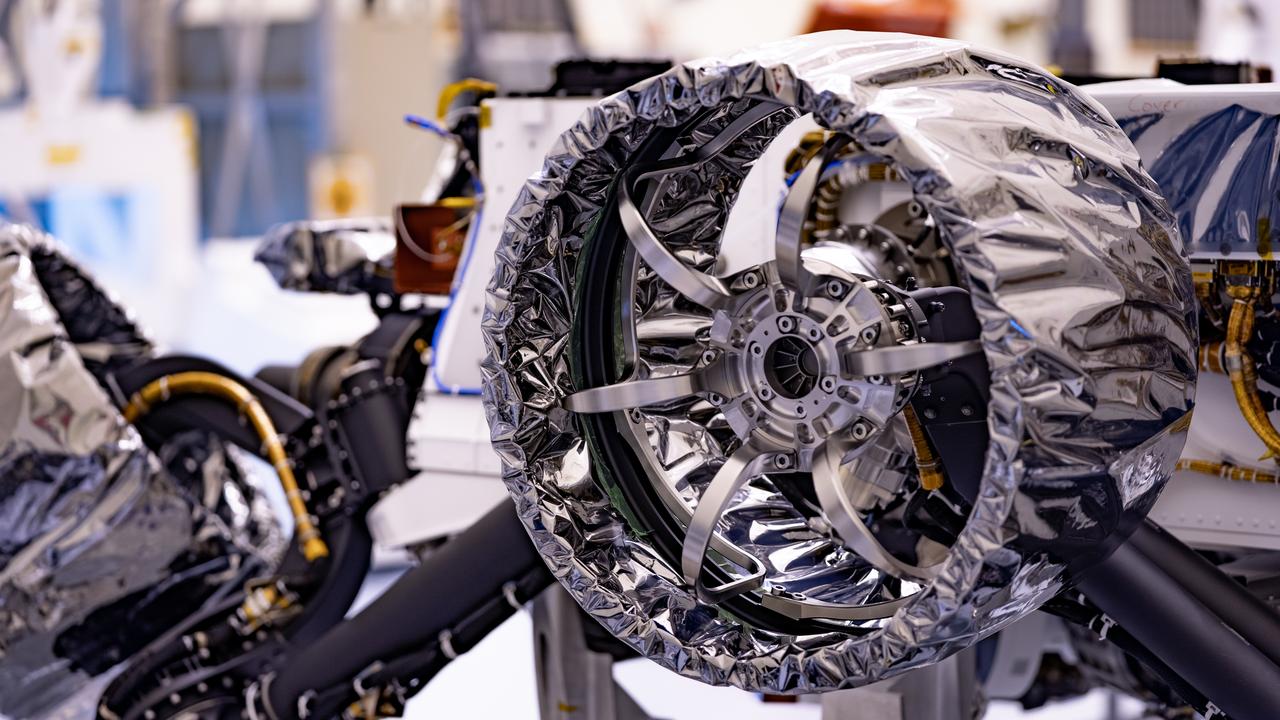
Rock cores are already sealed and waiting in Jezero Crater. Getting them to a laboratory on Earth requires a launch fr…
As an affiliate, we earn from qualifying purchases. These recommendations are independently selected.