International · est. 2030
Artemis: The Plan to Return to the Moon
NASA's programme to put crews back on the lunar surface, this time near the south pole and this time to stay. Dates are targets, and targets have moved before.
CivilisationInternational
RegionSpace
Period2027 CE to 2035 CE (estimated)
Published30 July 2026
Advertisement
Check the dates. Everything below is a target, not a schedule. Artemis milestones have slipped repeatedly since the programme began, and any date here should be treated as the current intention rather than a fact.
Artemis is the programme meant to end the fifty year gap since Apollo 17. The ambition is different from Apollo's in one important way. Apollo was designed to get there, plant a flag, and come home. Artemis is designed to build something that stays.
The Difference from Apollo
Apollo landed near the lunar equator, in daylight, for missions measured in hours and days. Artemis targets the south polar region, where permanently shadowed craters hold water ice.
Water is the reason. Ice can be melted for drinking, split into oxygen for breathing, and split again into hydrogen and oxygen for rocket propellant. A base that can make its own propellant does not need everything shipped from Earth, which changes the economics of everything that follows.
The polar terrain is also harder. The Sun sits permanently near the horizon, casting long shifting shadows across ground nobody has walked on, and the interiors of the target craters are among the coldest places in the solar system.
The Pieces
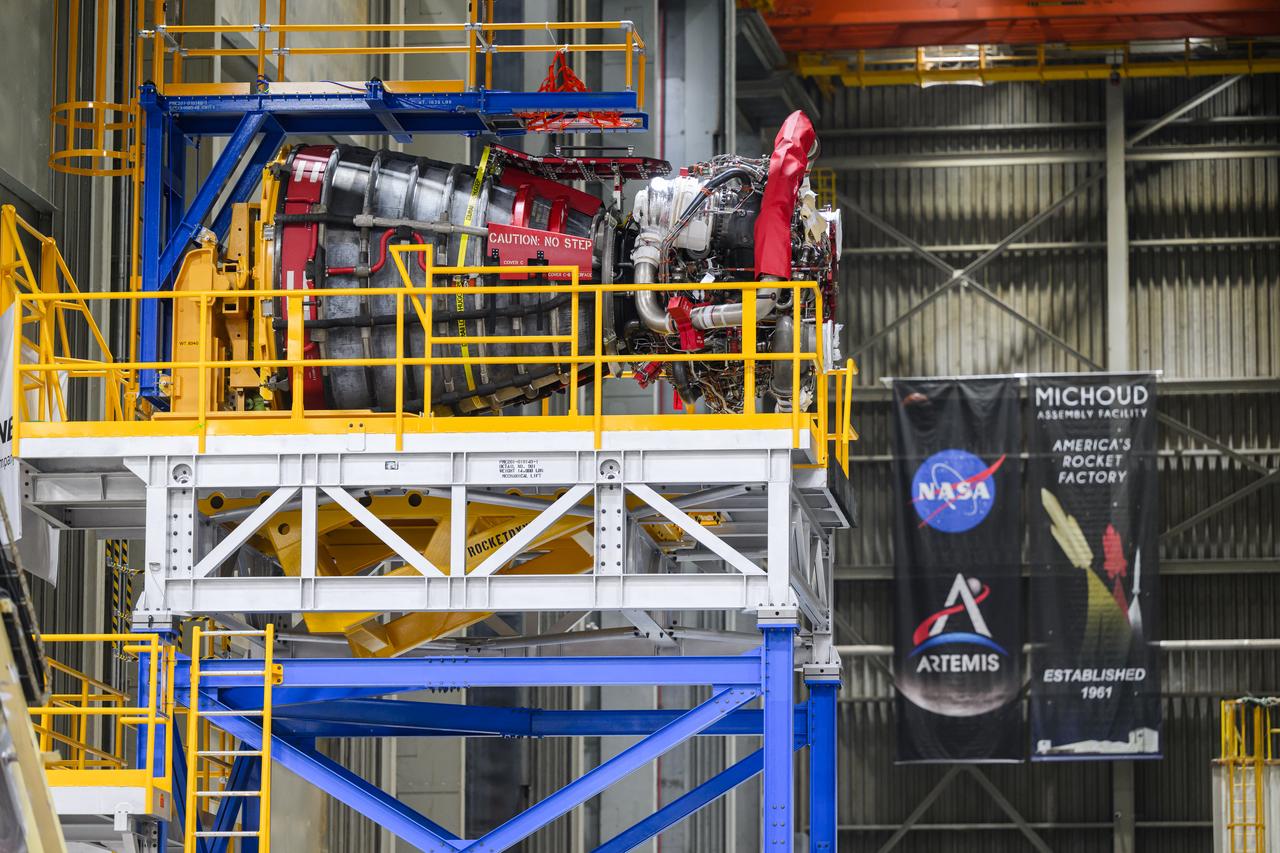
Space Launch System. The heavy rocket that lifts the crew vehicle. Expensive, and criticised for it, but it exists and it has flown.
Orion. The crew capsule. It flew uncrewed around the Moon on Artemis I in late 2022 and returned successfully, which validated the heat shield at lunar return speeds.
The lunar lander. Orion does not land. A separate vehicle, contracted commercially, carries the crew from lunar orbit to the surface and back. This is the piece that has driven most of the schedule risk, because the lander designs selected are large, novel, and depend on refuelling in orbit before they can attempt a descent.
Gateway. A small station in an elongated lunar orbit, intended as a staging point. Its necessity has been debated within the programme itself.
The Sequence
Artemis II carries a crew around the Moon without landing, the first time humans have left low Earth orbit since 1972. It is a loop and a return, testing life support with people aboard.
Artemis III attempts the landing, near the south pole, with a short surface stay.
Later missions are meant to extend stays, deliver habitat and mobility hardware, and begin testing whether polar ice can actually be extracted and processed at useful rates. That last question is the one the whole long term case rests on, and it has never been tested anywhere.
What Could Go Wrong
The honest answer is the schedule. Every element has slipped, and the lander in particular requires a refuelling architecture that has not been demonstrated. Budgets are set annually by a Congress whose priorities change, which is exactly what ended Apollo.
There is also the question Apollo never had to answer. Apollo needed to work once. Artemis needs to keep working, repeatedly and affordably, for decades. That is a harder engineering problem and a much harder political one.
Advertisement
Timeline Placement
2027 CE – 2035 CE
Near Future Era · International · Space
ExplorationTechnologyScience
Continue: International: A Complete Journey
Related Articles
Near FutureMission
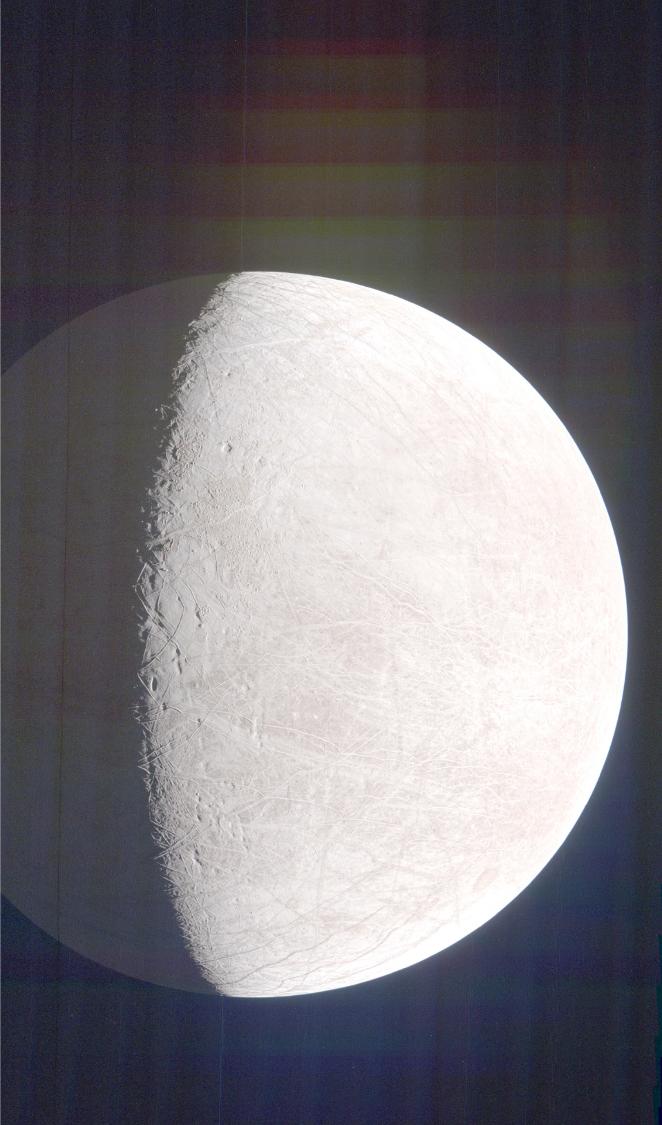
Europa Clipper and the Case for Oceans Under Ice
Jupiter's moon Europa probably holds more liquid water than every ocean on Earth combined, beneath a shell of ice. A s…
4 min
Near FutureMission
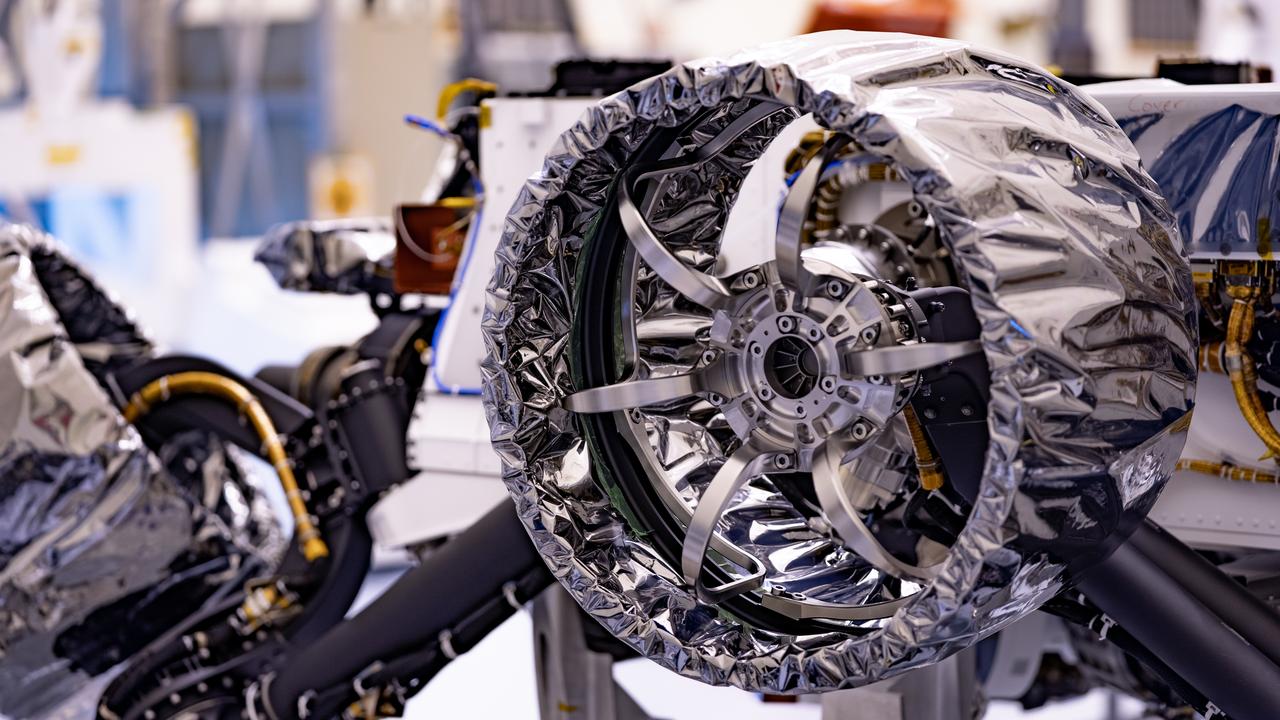
Mars Sample Return: The Hardest Delivery Ever Attempted
Rock cores are already sealed and waiting in Jezero Crater. Getting them to a laboratory on Earth requires a launch fr…
3 min
Near FutureMission
Planetary Defence: We Have Now Moved an Asteroid
In 2022 a spacecraft hit a small asteroid hard enough to change its orbit. It was a test, it worked better than predic…
3 min
Recommended Reading
Space AgeOverview
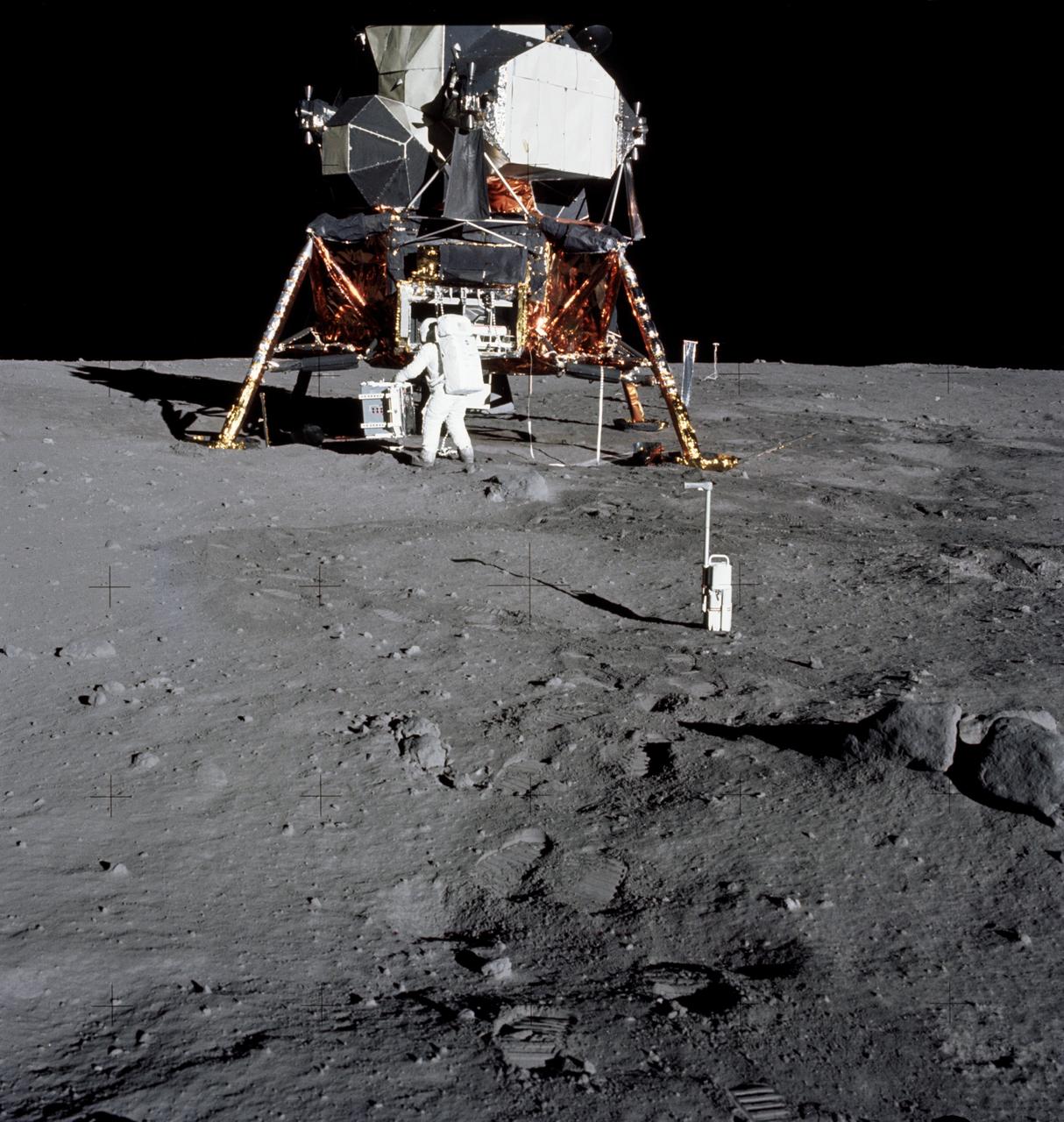
Apollo: How Twelve People Walked on the Moon
The programme that took human beings to another world in under a decade, what it actually required, and why nobody wen…
4 min
📡
ContemporaryBriefing
Ancient DNA Is Rewriting Prehistory Faster Than Textbooks Can Follow
Genomes recovered from bone are settling arguments archaeology could not settle, and starting several new ones. An ong…
3 min
Further Reading
As an affiliate, we earn from qualifying purchases. These recommendations are independently selected.
Advertisement