Near FutureMission
Artemis: The Plan to Return to the Moon
NASA's programme to put crews back on the lunar surface, this time near the south pole and this time to stay. Dates ar…
3 min
Rock cores are already sealed and waiting in Jezero Crater. Getting them to a laboratory on Earth requires a launch from the surface of another planet, which has never been done.
Check the dates. Mars Sample Return has been restructured more than once on cost grounds, and its architecture and timeline are both subject to change. Treat the years here as intent.
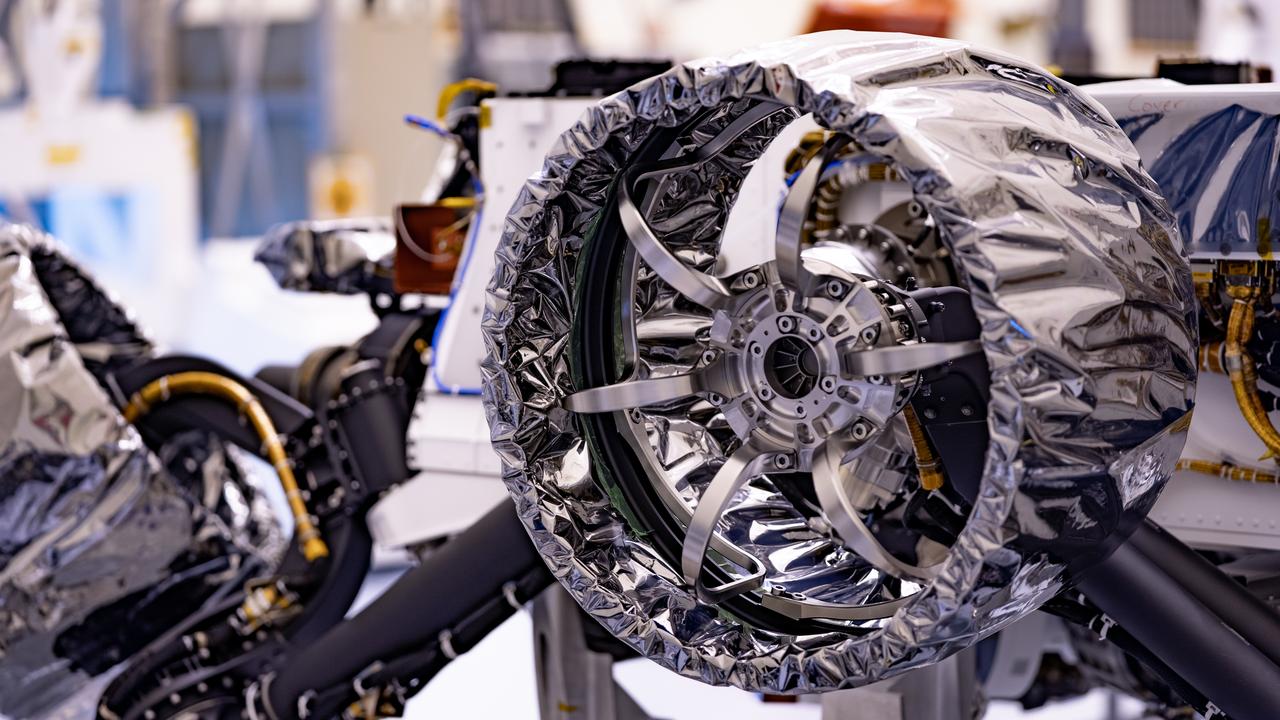
The Perseverance rover has spent years doing something unusual for a robotic mission. It has been drilling rock cores, sealing them in metal tubes, and setting some of them down on the ground in a carefully recorded arrangement.
The samples are already collected. The unsolved part is the delivery.
A rover carries whatever instruments fitted inside the mass budget at launch, and those instruments are frozen in time from the moment the spacecraft leaves Earth. A laboratory on Earth has instruments that did not exist when the samples were taken, can repeat a measurement when a result looks strange, and can hand the material to a different team with a different technique.
The Apollo lunar samples make the case. Material collected in 1969 is still producing new results, because the questions and the tools kept changing while the rock sat in storage.
For Mars the specific question is whether the planet ever hosted life. That is a claim that would need extraordinary evidence, checked independently by several laboratories. It is not a measurement a rover can settle by itself.
Retrieve the tubes. Either the rover carries them to a lander, or a small fetch vehicle collects the ones left on the ground.
Launch from the surface of Mars. This is the step that has never been done. A rocket must be landed on Mars, survive the dust and the cold, and then launch from an unprepared surface with no ground crew and no second attempt. Every previous Mars launch has been from Earth.
Rendezvous in Mars orbit. The sample container has to be captured by an orbiter, which then has to seal it for the journey home.
Return and contain. The capsule enters Earth's atmosphere and is recovered into a facility built to a containment standard, on the strict assumption that the material might carry something biological until it is proven otherwise.
Cost. The original architecture grew expensive enough that it threatened to consume the budget for other planetary science, and a programme that eats its own field is not a good outcome even if it succeeds. Reviews have pushed toward simpler and cheaper approaches, including proposals to hand parts of the job to commercial providers.
The samples themselves are patient. Sealed and sitting on a cold dry planet, they are in no danger. The pressure is financial and political rather than physical, which is a reason the schedule has been able to move so much.
If the tubes reach Earth, they will be the first material ever returned from another planet's surface. Whatever they turn out to contain, they will be studied for as long as the Apollo rocks have been, by people using instruments nobody has designed yet.
NASA's programme to put crews back on the lunar surface, this time near the south pole and this time to stay. Dates ar…
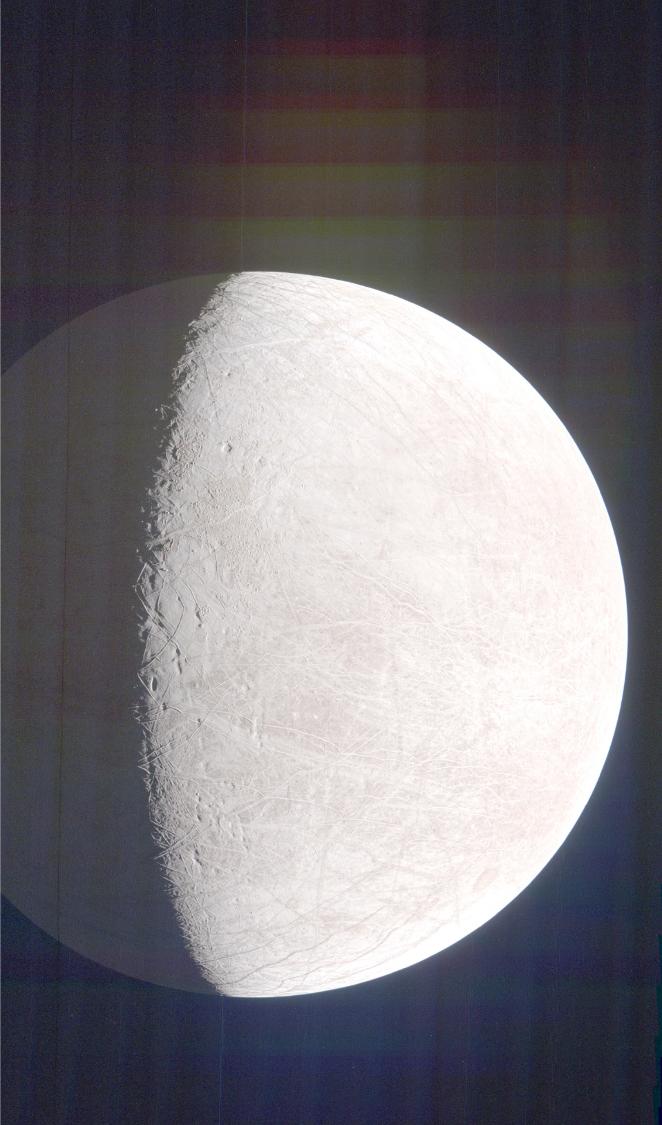
Jupiter's moon Europa probably holds more liquid water than every ocean on Earth combined, beneath a shell of ice. A s…
In 2022 a spacecraft hit a small asteroid hard enough to change its orbit. It was a test, it worked better than predic…
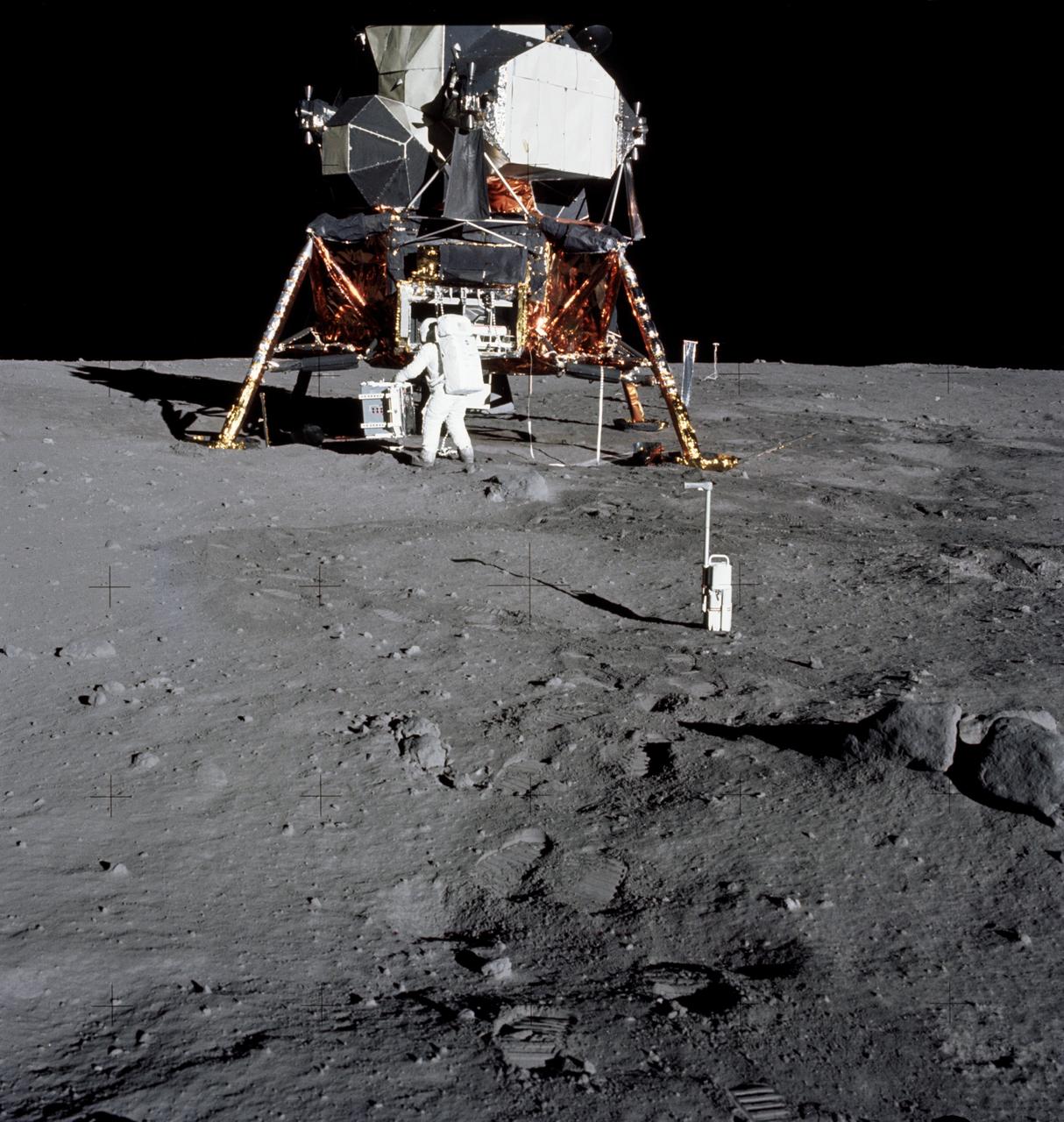
The programme that took human beings to another world in under a decade, what it actually required, and why nobody wen…
Genomes recovered from bone are settling arguments archaeology could not settle, and starting several new ones. An ong…
As an affiliate, we earn from qualifying purchases. These recommendations are independently selected.