Ancient Greece · 508 BCE
The Rise of the Roman Republic
How Rome transformed from a small Italian city-state into a dominant republic that shaped Western civilization through its democratic institutions, military prowess, and legal innovations.
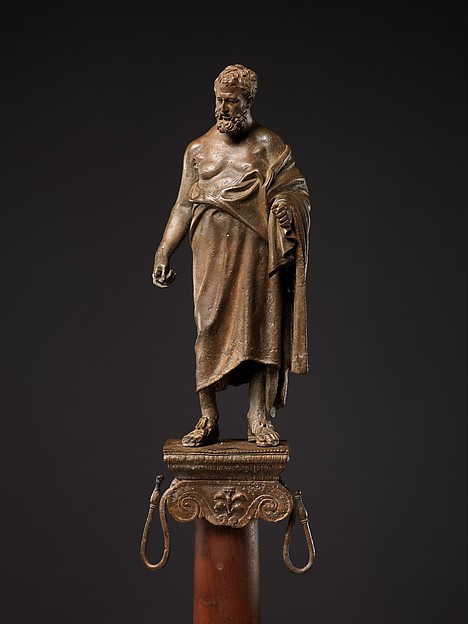
CivilisationRoman Republic
RegionMediterranean
Period509 BCE to 27 BCE
Published15 January 2025
Advertisement
The founding of the Roman Republic in 509 BCE marked a turning point in Mediterranean history. When Roman aristocrats expelled the last Etruscan king, Tarquinius Superbus, they created a system of governance that would endure for nearly five centuries and influence political thought to the present day.
The Institutions of Power
The Republic operated through a sophisticated system of checks and balances. Two consuls, elected annually, held supreme executive authority. The Senate, composed of former magistrates and aristocrats, guided foreign policy and controlled state finances. The popular assemblies gave ordinary citizens a voice in legislation.
This tripartite structure, executive, advisory, and popular, was not accidental. Romans who had lived under kings were determined never again to concentrate power in a single pair of hands. The genius of their system lay in its redundancy: if one consul made a disastrous decision, the other could veto it. If the Senate grew too powerful, tribunes of the plebs could intercede on behalf of the common people.
The Twelve Tables and Roman Law
In 450 BCE, Rome codified its laws into the Twelve Tables, inscribed on bronze and displayed in the Forum for all citizens to read. This act, making the law public and visible, was revolutionary. No longer could patrician judges arbitrarily interpret unwritten customs against plebeian defendants. The law now belonged to everyone.
Roman legal principles, including the presumption of innocence, the right to face one's accuser, and the concept of citizenship as a legal status, became foundations of Western legal systems that persist today.
Military Organization and Expansion
The Roman legion was perhaps the Republic's most transformative institution. Unlike the massed phalanxes of Greek warfare, the Roman manipular formation could adapt to terrain, operate in smaller units, and pivot during battle. This flexibility gave Rome a decisive edge against neighbors who relied on older tactical systems.
Through a series of wars against the Samnites, Etruscans, and Gallic tribes, Rome gradually absorbed the Italian peninsula. Each conquest brought new citizens, resources, and soldiers into the Roman fold. By 270 BCE, Rome controlled virtually all of Italy south of the Po River.
The Struggle of the Orders
Not all Romans benefited equally from the Republic's growth. For generations, plebeians, free citizens who were not of aristocratic birth, were excluded from the highest offices and from access to public land. The Struggle of the Orders, lasting from approximately 500 to 287 BCE, saw the gradual dismantling of these barriers.
Plebeians gained the right to serve as consuls in 367 BCE. The lex Hortensia of 287 BCE made resolutions of the plebeian assembly binding on all Romans regardless of class. By the late Republic, a "new aristocracy" had emerged that mixed old patrician families with successful plebeian ones.
The Seeds of Transformation
Yet the very success of the Republic planted seeds of its eventual transformation. Victories over Carthage and the Hellenistic kingdoms of the East brought enormous wealth into Rome, wealth that flowed disproportionately to the senatorial class. Small farmers, displaced by slave-worked latifundia and unable to compete, flooded into the cities.
The reforms proposed by Tiberius and Gaius Gracchus in the 130s and 120s BCE attempted to redistribute public land to landless citizens. Both brothers were murdered by their opponents, establishing a dangerous precedent: political violence as an instrument of faction.
The Republic would limp along for another century, its institutions increasingly hollow as powerful generals competed for dominance. Julius Caesar's crossing of the Rubicon in 49 BCE, and the civil wars that followed his assassination, ended with his great-nephew Octavian standing alone, soon to be renamed Augustus, the first emperor of Rome.
Advertisement
Timeline Placement
509 BCE – 27 BCE
Classical Era · Roman Republic · Mediterranean
PoliticsMilitaryLawGovernance
Continue: The Classical World
Related Articles
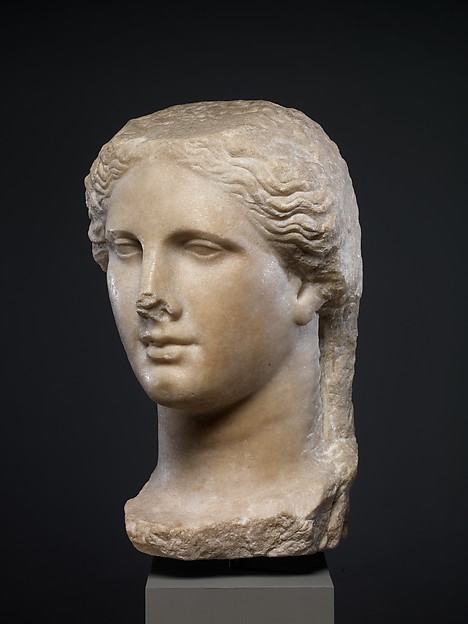
ClassicalBiography
Alexander the Great: The World Conqueror
Tracing Alexander III of Macedon's extraordinary military campaigns from Greece to India, examining both his strategic…
5 min
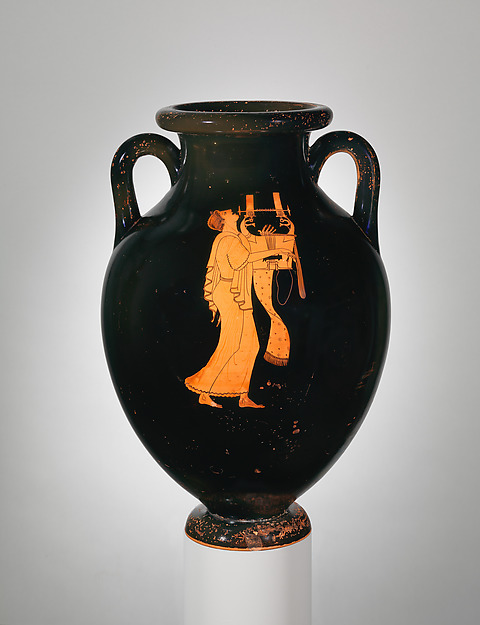
ClassicalAnalysis
The Birth of Democracy in Athens
How the reforms of Cleisthenes and Pericles created the world's first participatory democracy in fifth-century Athens,…
5 min
ClassicalAnalysis
Rome Falls: The End of the Western Empire, 476 CE
Examining the complex causes behind the fall of the Western Roman Empire, not as a sudden collapse but as a slow trans…
5 min
Further Reading
As an affiliate, we earn from qualifying purchases. These recommendations are independently selected.
📚 Book
The Prince
Niccolò Machiavelli
The classic treatise on political power and statecraft.
View on Amazon →
📚 Book
The Art of War
Sun Tzu
The foundational text on military strategy and tactics.
View on Amazon →
📚 Book
Carnage and Culture
Victor Davis Hanson
How Western military culture shaped world history.
View on Amazon →
Advertisement